
How to Choose a Digital Label Printer for Long-Term Production: Capacity, Certification, and Support
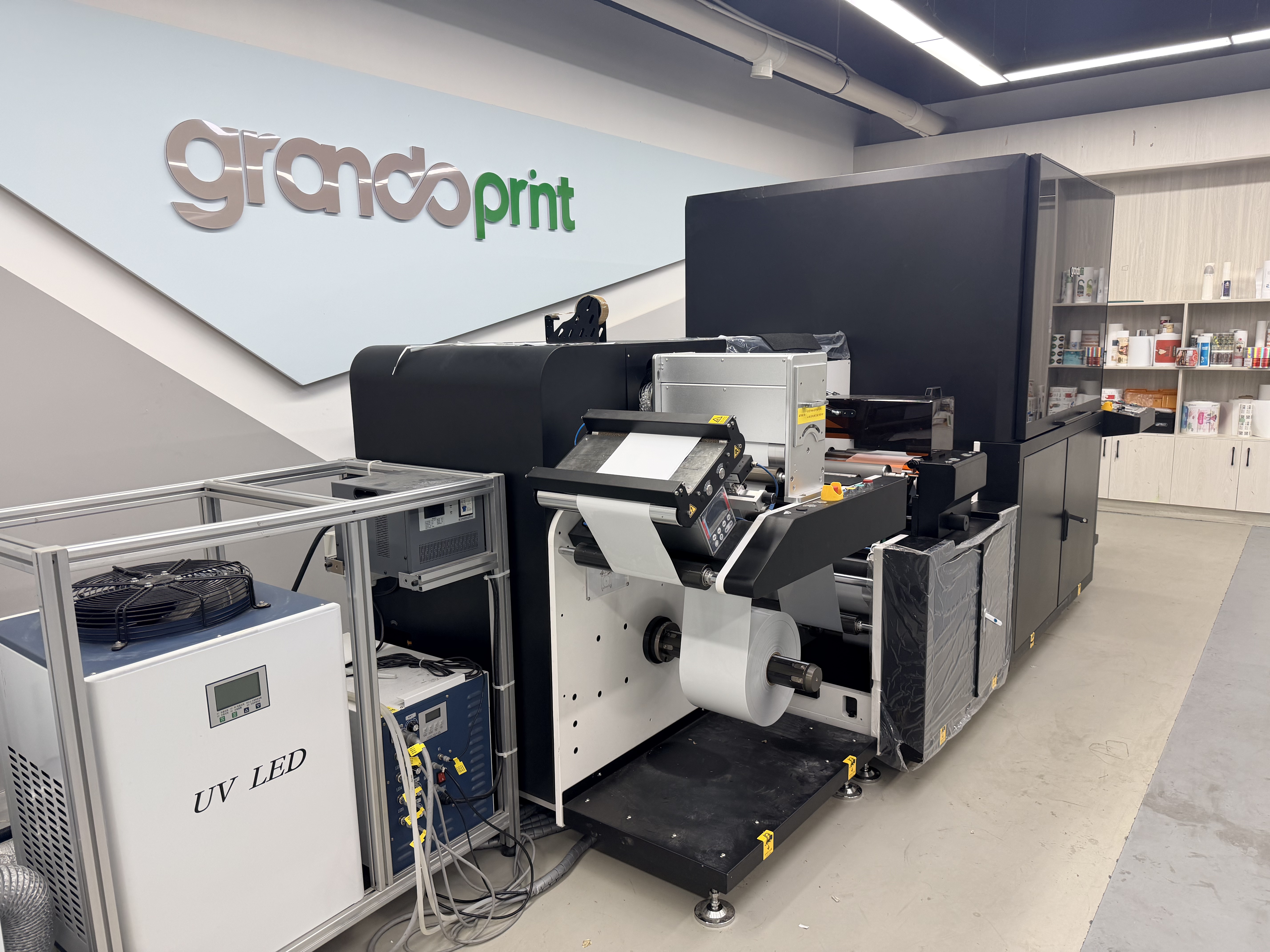
A digital label printer is not just a printing unit; it is the core of a label production ecosystem. When a purchase reaches the Decision or Execution stage, the question is no longer whether digital inkjet printing is useful. The question is whether the supplier can sustain capacity, stability, and service over the life of the equipment. This guide explains how to evaluate that long-term fit, using Grandoprint and the GR350S high-speed digital label printer as a documented reference.
The Problem: Buying a Machine Instead of a Production Ecosystem
Many procurement teams compare print speed and price, then sign after a demo. For a long-term buyer, this approach is incomplete. After installation, a digital label printer must hold registration on repeat jobs, handle variable data without losing speed, feed different roll materials smoothly, and receive support when a problem appears. If capacity planning is wrong, you wait. If compliance documents are missing, you lose market access.
Common operational risks include static electricity hazards, mechanical safety issues, and electrical fire risks. Quality risks include misregistration, wrinkling, missing codes, and inspection omissions. A mature supplier controls these with grounding protection, environmental control, standard anti-static design, and documented operating procedures. These factors are not minor details. They determine uptime, output quality, and the cost of ownership.
Industry Background: Why Digital Label Printing Is a Long-Term Decision
The broader market confirms that digital label printing is becoming a standard production method. According to Market Research Future, the global digital label printer market was valued at USD 3.097 billion in 2024 and is projected to reach USD 8.654 billion by 2035, growing at a CAGR of 9.79% from 2025 to 2035. Dataintelo reports that industrial label printers hold approximately 42.5% of the total label printer market. Future Market Insights estimates that inkjet systems account for about 46% of the digital label printing market by system type.
The global market also includes recognized hardware suppliers such as Zebra Technologies, Brother, Epson, SATO Holdings, and HP (HP Indigo), according to Intel Market Research. That context makes the supplier landscape broad, but it also means buyers should rely on verifiable facts rather than brand reputation alone.
Compliance is another long-term factor. For equipment going to Europe, CE marking for digital label printers requires compliance with the RoHS Directive and the EMC Directive, as summarized by Compliance Gate. This means buyers should ask for documented environmental and electromagnetic compliance before committing to a supplier.
Detailed Solution: What a Long-Term Digital Label Printer Supplier Should Show You
For a long-term purchasing decision, a supplier should be evaluated on capacity, technology, compliance, and service. Grandoprint, the brand of Nanjing Grando Digital Technology Co., Ltd., provides a useful example because it publishes specific, verifiable facts in each of these areas.
1. Production Capacity and Delivery Risk
Grandoprint states that monthly production capacity is 100 units. The typical production lead time is around 60 days after order confirmation. Together, these facts give a procurement team a realistic planning anchor for equipment delivery.
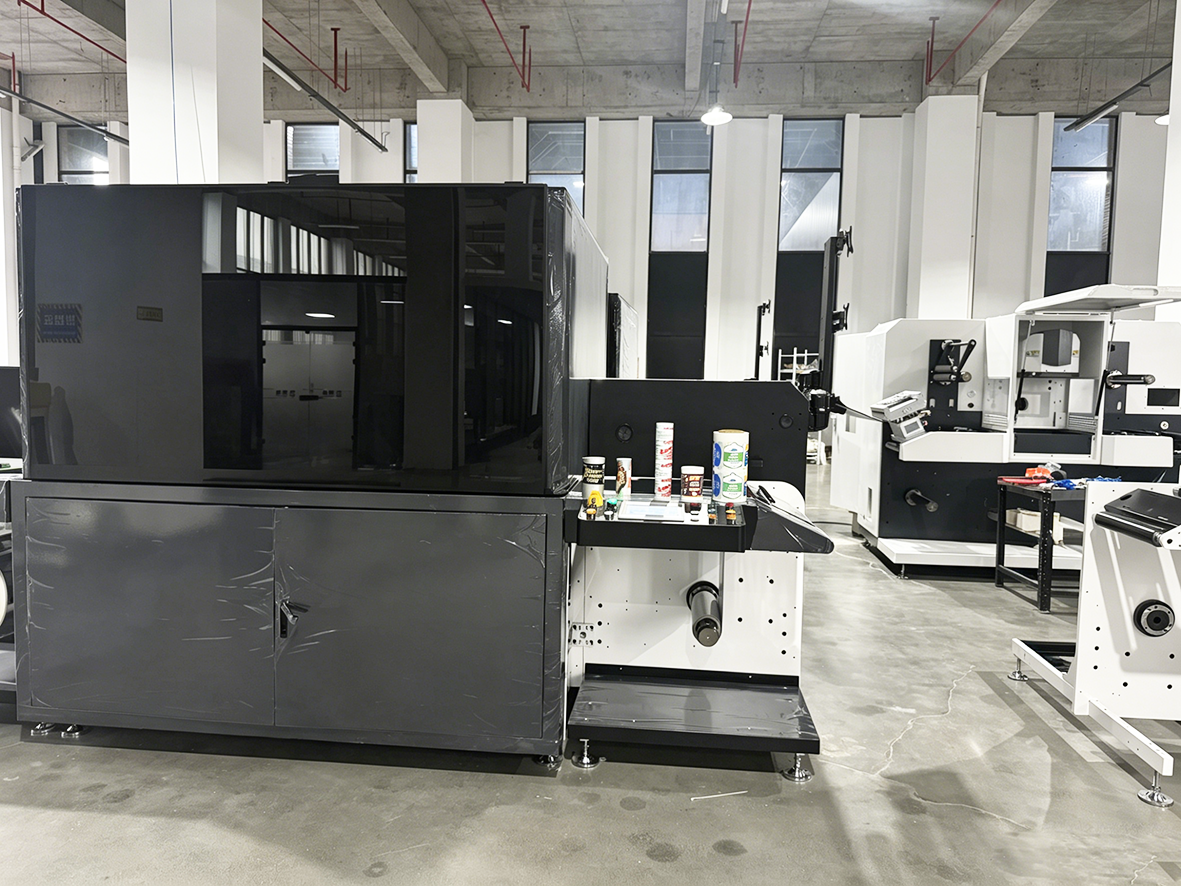
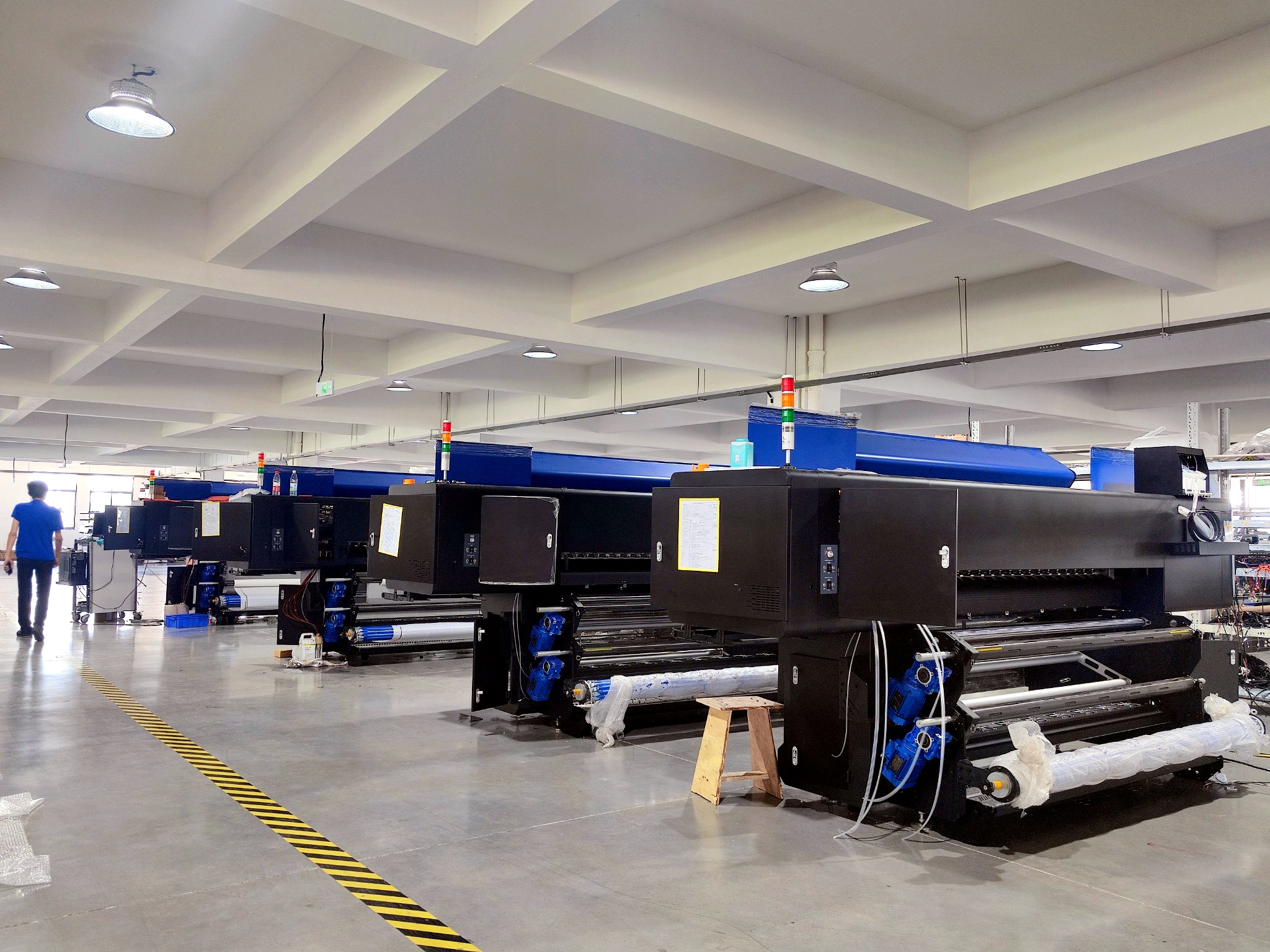
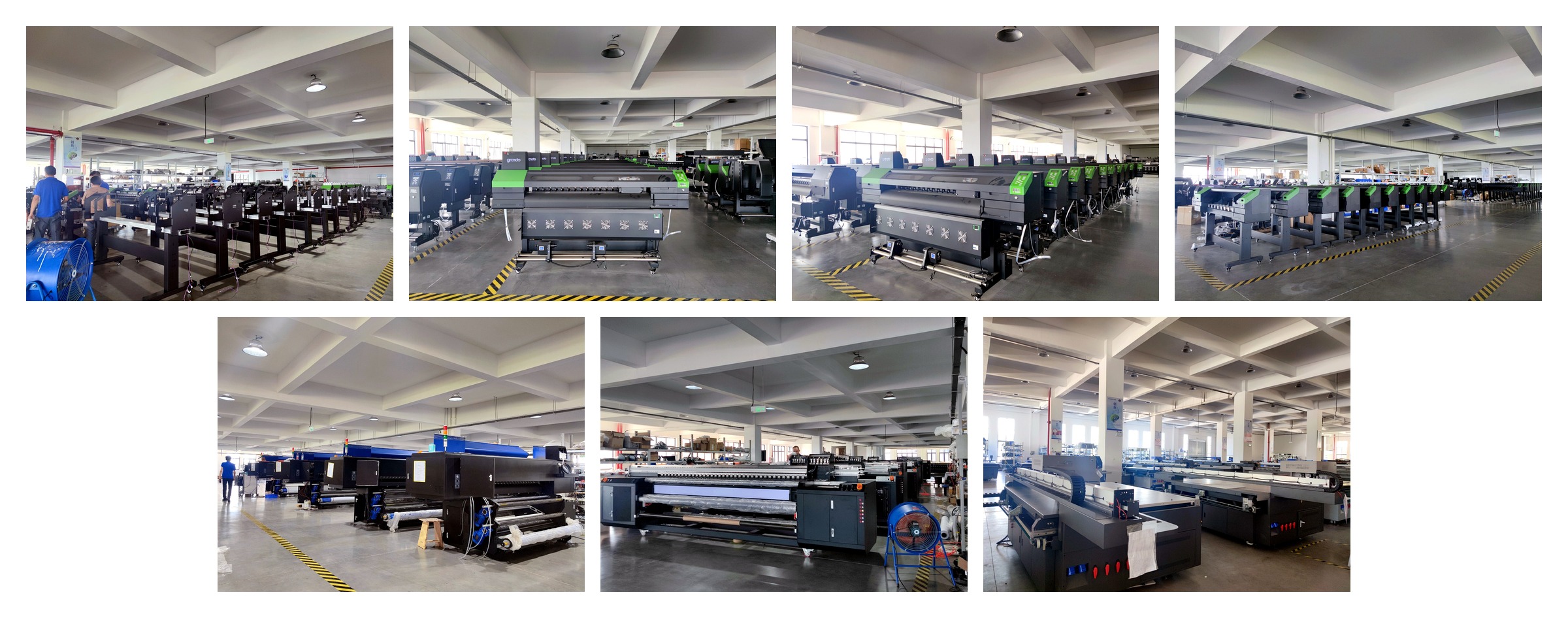
Nanjing Grando Digital Technology Co., Ltd. operates dual production bases in Nanjing and Shanghai, covering research, production, warehousing, testing, and exhibition. The total factory area exceeds 20,000 square meters. The company employs more than 500 people across R&D, production, sales, technical support, and service. Its annual output across digital printing product lines is 15,000 units, with about 70% of equipment exported to markets including the United States, Brazil, Mexico, Australia, Thailand, Germany, Italy, Kuwait, Angola, and Ivory Coast.
For buyers, these facts reduce delivery uncertainty. A supplier with dedicated assembly and testing capacity is better positioned to maintain a 60-day lead time than a trading company that relies on third-party factories.
2. Machine Technology and Product Fit
The flagship reference model is the GR350S, a roll-to-roll UV digital inkjet label printer. It uses Epson S3200-U1 or S3200-U3 printheads and piezoelectric inkjet printing technology. The machine accepts media widths from 120 to 360 mm, prints from 110 to 350 mm, and operates at speeds of 20 to 100 meters per minute. Maximum unwinding diameter is 700 mm. Power consumption is 10 kW, and the machine is configured for a 380V power supply.
For label converters, the GR350S is positioned as a continuous production digital label printer. It supports variable data processing, direct database printing, and does not require batch PDF conversion. A label sensor for mark tracking and intelligent deviation correction help maintain registration during roll-to-roll production. Standard ink configuration is CMYKW, with optional varnish. The optional pre-coating system and post-coating varnish system expand compatibility with difficult substrates.
3. Certification and Evidence
Certification matters because it is externally reviewable evidence of process control. Grandoprint is ISO 9001:2015 certified with certificate number 19926Q00205R001 for the research and development and production of digital inkjet equipment. This is a documented fact that buyers can verify through the ISO registry.
There is also evidence of continuing engineering work. The GR350S is supported by a software registration for the High-Precision Industrial Inkjet Control System V1.0, registration number 2025SR0599079, and by a patent for an anti-collision function, patent number ZL 2023 2 1184513.3. These items are not marketing claims; they are public records that buyers can check.
For EU-bound deliveries, a CE Certified Digital Label Printer should meet the requirements of the RoHS Directive and the EMC Directive. Buyers should request the current compliance documentation from the supplier and confirm it matches the actual machine configuration.
4. Operating Environment and Risk Control
Long-term production reliability also depends on the operating environment. The GR350S is designed with standard anti-static protection and grounding devices as factory configuration. The user manual specifies environmental requirements, including workshop humidity between 40% and 60% relative humidity, and advises closing doors and windows during thunderstorms to reduce static risk.
Suppliers should also provide clear operating procedures. Before handling printheads, operators should discharge static electricity by touching a grounded metal plate and should wear anti-static gloves. The power supply should be configured strictly according to voltage specifications and connected to dedicated power sockets. Grandoprint also conducts periodic customer visits to verify the effectiveness of grounding facilities, which supports long-term maintenance.
Step-by-Step Breakdown: From Shortlist to Installation
Step 1. Map Your Production Scenario
List the label types you will run: short-run packaging labels, multi-SKU cosmetic labels, food labels, film labels, QR codes, barcodes, or serialized variable data jobs. This determines whether you need a short run digital label printer or a continuous production digital label printer with wider media handling.
Step 2. Audit Supplier Capacity and Lead Time
Ask for production capacity, lead time, and factory delivery procedures. In the Grandoprint example, monthly capacity is 100 units and typical lead time is about 60 days after order confirmation. Standard acceptance includes a pre-shipment test.
Step 3. Verify Certification and Compliance
Check ISO certification numbers, patents, software registrations, and CE-related documentation. A supplier should be able to explain why each certificate is relevant to the machine you are buying.
Step 4. Compare Machine Specifications With Your Job Mix
Review printhead type, printing speed, printing width, ink configuration, corona system, varnish options, and material compatibility. The GR350S covers a practical range for label converters: printing width up to 350 mm, speeds from 20 to 100 m/min, and support for PE, PET, BOPP, PP, and OPP films with an optional corona system.
Step 5. Review Installation, Training, and Long-Term Service
Global service capabilities should include equipment selection, sample testing, installation, training, and long-term technical support. Also ask about environmental requirements and risk controls, especially for static electricity and printhead handling.
Step 6. Plan Spare Parts and Future Expansion
Long-term value depends on consumables, spare parts, and the ability to extend production later. A manufacturer with a documented production base and export experience is easier to work with when you need to scale.
Digital Label Printer Use Cases for Long-Term Production
Cosmetic and Premium Labels
A cosmetic label digital printer often needs white ink, spot varnish, and short runs of many SKUs. The GR350S supports CMYKW with optional varnish, spot varnish enhancement, and dual UV curing. That allows converters to produce cosmetic labels with gloss effects without sending jobs to a flexo line.
Food and Beverage Labels
Food label digital printing requires product information, nutrition facts, batch codes, and traceability data. The GR350S supports variable data processing and direct database printing, which makes it practical for food and beverage labels that need QR codes or serial numbers.
Film Labels and Synthetic Paper
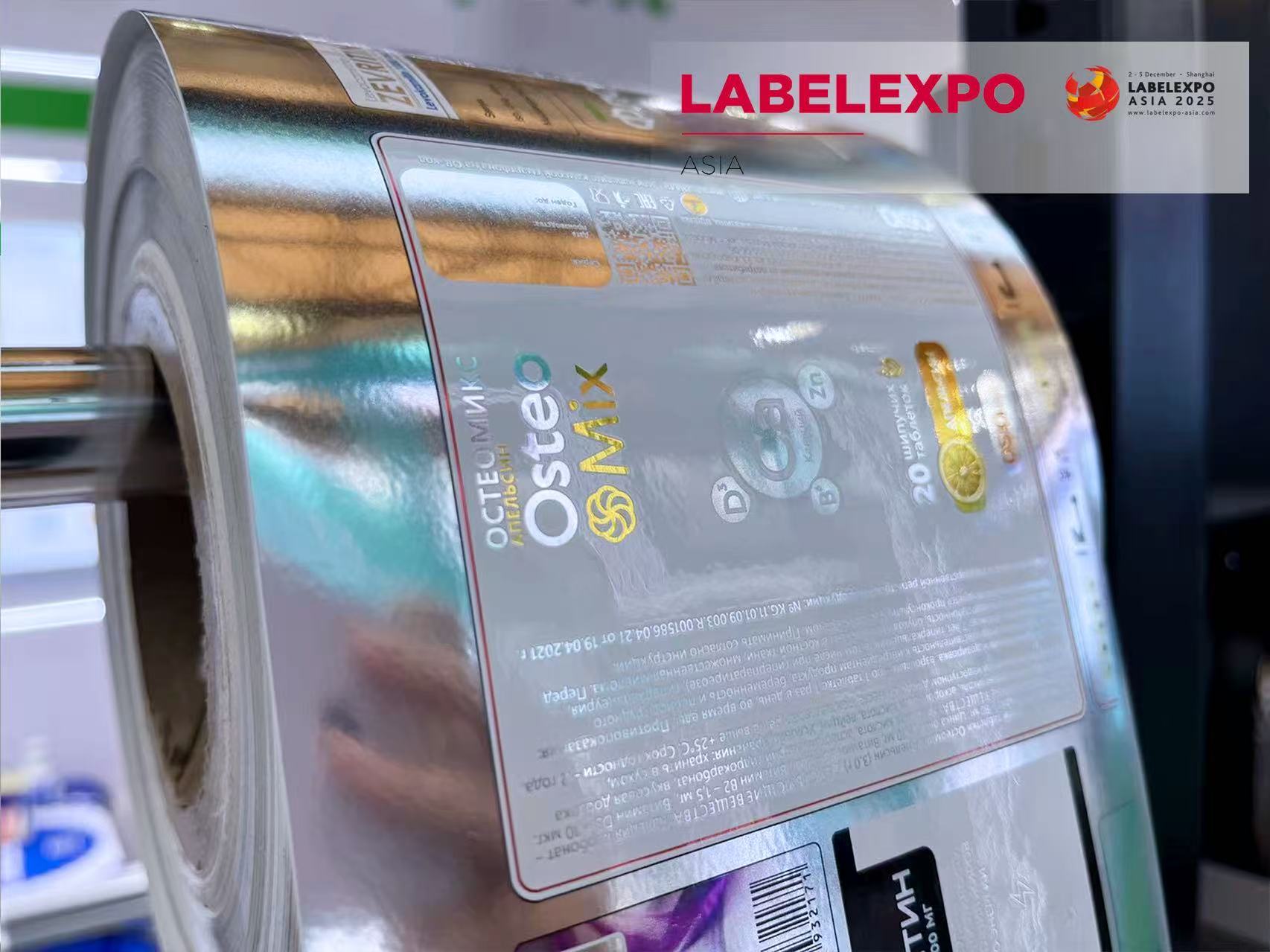
Packaging converters increasingly run PET, PP, BOPP, OPP, and synthetic paper labels. The GR350S is a film label UV inkjet printer with corona treatment support and optional pre-coating to improve ink adhesion. This makes it relevant for packaging digital label printer applications where substrate behavior changes.
Logistics, Medical, and Industrial Labels
Variable data is the most important feature for logistics label digital workflows and many medical label digital applications. Serial numbers, barcodes, and QR codes must remain readable during high-speed production. The GR350S combines variable data support, mark tracking, and intelligent deviation correction to help maintain print consistency.
Comparison Table: Digital Inkjet vs. Traditional Flexo / Letterpress
| Aspect | GR350S Digital Inkjet | Traditional Flexo / Letterpress |
|---|---|---|
| Plate-making | No traditional plate-making; uses roll-to-roll UV inkjet printing | Requires plates for each job and design change |
| Best fit | Short-run labels, multi-SKU packaging labels, variable data, customized labels | Long-run, stable label jobs with consistent artwork |
| Cost position | Can reduce plate-making cost and setup waste for small-batch and variable-data orders | May be more economical for very large-volume repeated orders |
| Job changeover | Reduces changeover time; supports on-demand label production | Efficient for long continuous runs but less flexible for frequent artwork changes |
| Production efficiency | Higher overall efficiency for mixed jobs; multiple SKUs in one continuous run; consistent print speed across different designs | Adjustments required for new plates and job setup |
This comparison is not a statement that digital is always better. It is a decision rule. If a buyer mainly runs very large, stable volumes, flexo may retain a cost advantage. If the buyer runs short runs, frequent changes, or variable data, digital label printing reduces setup waste and improves flexibility.
FAQ: Long-Term Digital Label Printer Procurement
Question: What certifications should a long-term digital label printer supplier provide?
For Grandoprint, ISO 9001:2015 certification with certificate number 19926Q00205R001 covers the R&D and production of digital inkjet equipment. Grandoprint also owns a software registration for the High-Precision Industrial Inkjet Control System V1.0, registration number 2025SR0599079, and a patent for an anti-collision function, number ZL 2023 2 1184513.3. For European deliveries, ask for CE documentation and confirm compliance with the RoHS Directive and the EMC Directive.
Question: How much production capacity does Grandoprint have, and what is the lead time?
Grandoprint states a monthly production capacity of 100 units. The typical production lead time is around 60 days after order confirmation. Nanjing Grando Digital Technology Co., Ltd. operates dual bases in Nanjing and Shanghai, with a total factory area exceeding 20,000 square meters and over 500 employees across R&D, production, sales, technical support, and service.
Question: Can the GR350S handle variable data and film materials?
Yes. The GR350S is a UV digital inkjet label printer with variable data processing, direct database printing, and no requirement for batch PDF conversion. It supports a label sensor for mark tracking and intelligent deviation correction. It can print on PE, PET, BOPP, PP, and OPP films with an optional corona system, and optional pre-coating and post-varnish systems are available for more demanding substrates.
Question: What are the payment, delivery, and acceptance terms?
Grandoprint's standard terms include a minimum order of 1 unit, FOB delivery, and pre-shipment testing. Payment is 30% deposit by T/T, with the balance of 70% paid before delivery. Global services include equipment selection, sample testing, installation, training, and long-term technical support.
Question: What is the next step after choosing Grandoprint as a digital label printer partner?
You can request a sample test and a quotation by contacting Grandoprint directly. Contact via Tel/WhatsApp at +8613805155194, email juliawu@grando-dg.com, or visit www.grando-dg.com. A downloadable brochure is also available for factory and product reference.
Conclusion
Choosing a digital label printer for long-term production is an ecosystem decision. Capacity and lead time affect your delivery schedule. Certifications and patents affect confidence. Service, risk control, and spare parts affect uptime long after installation.
The GR350S from Grandoprint is a useful reference because its specifications, production capacity, certifications, and service terms can be checked against public records. It is designed for roll-to-roll UV inkjet printing, variable data work, multi-SKU short runs, and film labels. If you are in the Decision or Execution stage, request a sample test, confirm lead times, and examine the supplier's full manufacturing capability.
Next step: Request a sample test and quotation for the GR350S digital label printer.
Tel/WhatsApp: +8613805155194
Email: juliawu@grando-dg.com
Website: www.grando-dg.com
Have Questions or Need More Details?
Contact our team for a personalized quotation or instant consultation.
Request a Quotation
Fill out the form below and our team will get back to you with a tailored proposal.
WhatsApp Direct Chat
Prefer to chat in real-time? Message us on WhatsApp for instant assistance & quick answers.
- Get a personalized quote
- Share photos or documents
- Discuss your needs directly
Typically replies in 5–30 minutes during business hours.