
2026 Digital Label Printer Procurement Guide: Matching Equipment to Industry-Specific Labeling Requirements for Packaging, Cosmetics, and Food Applications
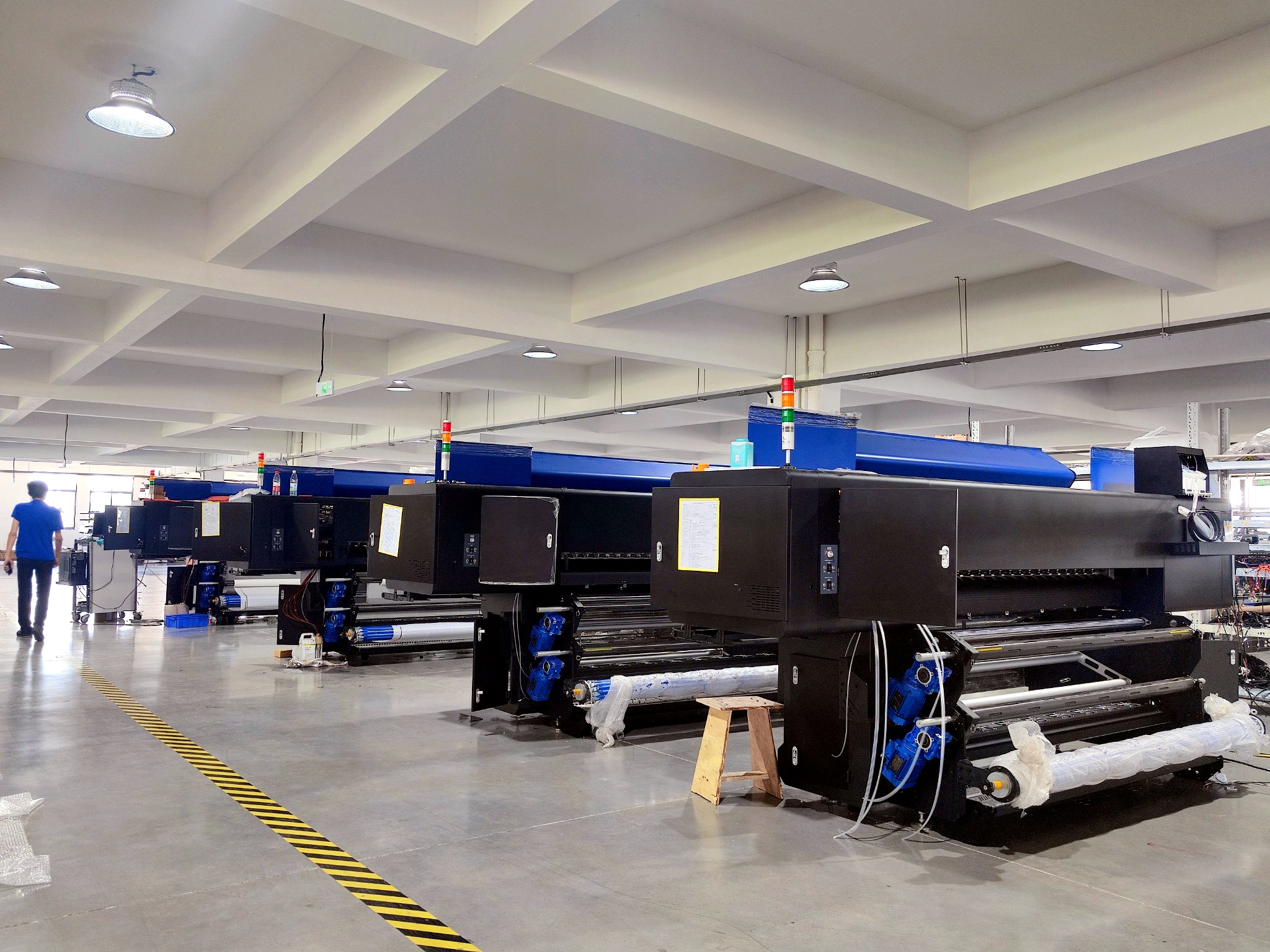
1. Industry-Specific Requirements for Digital Label Printers
Different end-use sectors impose distinct demands on digital label printers. For cosmetic and premium packaging applications, high print resolution and the ability to apply spot varnish for tactile and glossy effects are essential. In the food and beverage industry, labels must comply with food-contact safety regulations, often requiring UV-curable inks that are low-odor and meet migration limits. Pharmaceutical and logistics sectors rely on variable data printing (QR codes, barcodes, serial numbers) for traceability and anti-counterfeiting, demanding robust data processing and reliable mark tracking. Additionally, roll-to-roll continuous production is a common requirement across packaging converters, necessitating stable tension control, dust-free workshop conditions (temperature 18–32°C, humidity 40–60%), and the ability to handle diverse film substrates such as PET, BOPP, PP, and PVC.
2. Three Essential Capabilities of a Dedicated Digital Label Printer Supplier
When evaluating a supplier for industrial digital label printers, procurement teams should verify three core capabilities:
- Industry Customization Experience – The manufacturer must demonstrate proven success in configuring machines for specific applications. For example, the GR350S model from Nanjing Grando Digital Technology Co., Ltd. (brand Grandoprint) supports optional varnish modules for cosmetic labels, corona treatment for film adhesion, and variable data processing for logistics and anti-counterfeit labels. Its printing width of 110–350 mm and speed of 20–100 m/min accommodate both short-run and medium-volume orders across packaging, food, and chemical sectors.
- Compliance Certifications – Valid ISO 9001:2015 quality management certification (certificate no. 19926Q00205R001) and relevant patents (e.g., utility model patents for anti-offset correction, paper roll shaft, and anti-collision printer) provide verifiable proof of manufacturing consistency and intellectual property. These documents are essential for global buyers conducting due diligence.
- Rugged Design for Demanding Environments – Digital label printers for industrial use must operate reliably under controlled conditions. The GR350S is built with an industrial metal frame, precision roller system, and dual UV curing modules. Quality control procedures include inline inspection and 100% functional testing before delivery, ensuring consistent output even during continuous production runs.
3. Success Story: OEM Deployment of Digital Label Printers for Multi-SKU and Variable Data Production
A packaging converter operating in Brazil and Italy procured 20 units of the Grandoprint GR350S over a one-year period. The client required a solution that could handle frequent job changes, multi-SKU orders, and variable data labels (QR codes, serial numbers) for e-bike and new energy product labeling. After deployment, the GR350S reduced production setup time by approximately 30% due to its plate‑less digital workflow and intuitive job switching. The roll-to-roll feeding system, with a maximum unwind diameter of 700 mm and intelligent deviation correction, ensured stable tension control and minimal material waste. The client reported stable operation and high printing consistency across coated paper, PET, BOPP, and silver PP substrates. Additional optional modules such as the post-coating varnish system and corona treatment unit were integrated to meet specific cosmetic and industrial label requirements.
4. Cooperation Recommendations for Procurement Teams
To maximize alignment between supplier capabilities and plant requirements, buyers should follow these three key points during the procurement process:
- Define Industry Standards and Material Compatibility – Clearly specify the label substrates (e.g., PET, PP, PE, synthetic paper) and regulatory standards (e.g., FDA, EU food contact). Ask the supplier to provide sample prints on those materials and confirm whether corona treatment or pre-coating is needed.
- Conduct On-Site or Virtual Workshop Assessment – Evaluate the supplier’s production environment, quality control workflow, and testing procedures. The GR350S, for example, is subject to 100% functional testing before delivery, and its required operating conditions (temperature 18–32°C, humidity 40–60%) should be mirrored in the buyer’s facility.
- Agree on After-Sales Support and Spare Parts Strategy – Verify the warranty terms, installation and training packages, remote monitoring availability, and local service centers. For OEM projects, clarify the MOQ (starting from 1 unit), lead time (approximately 60 days after order confirmation), and payment terms (30% deposit T/T, balance before shipment). A clear spare parts supply agreement prevents production downtime.
For detailed technical specifications and ordering information, download the corporate brochure: Grandoprint Digital Label Printer Brochure (PDF)
Have Questions or Need More Details?
Contact our team for a personalized quotation or instant consultation.
Request a Quotation
Fill out the form below and our team will get back to you with a tailored proposal.
WhatsApp Direct Chat
Prefer to chat in real-time? Message us on WhatsApp for instant assistance & quick answers.
- Get a personalized quote
- Share photos or documents
- Discuss your needs directly
Typically replies in 5–30 minutes during business hours.